
The rise of smart telescopes
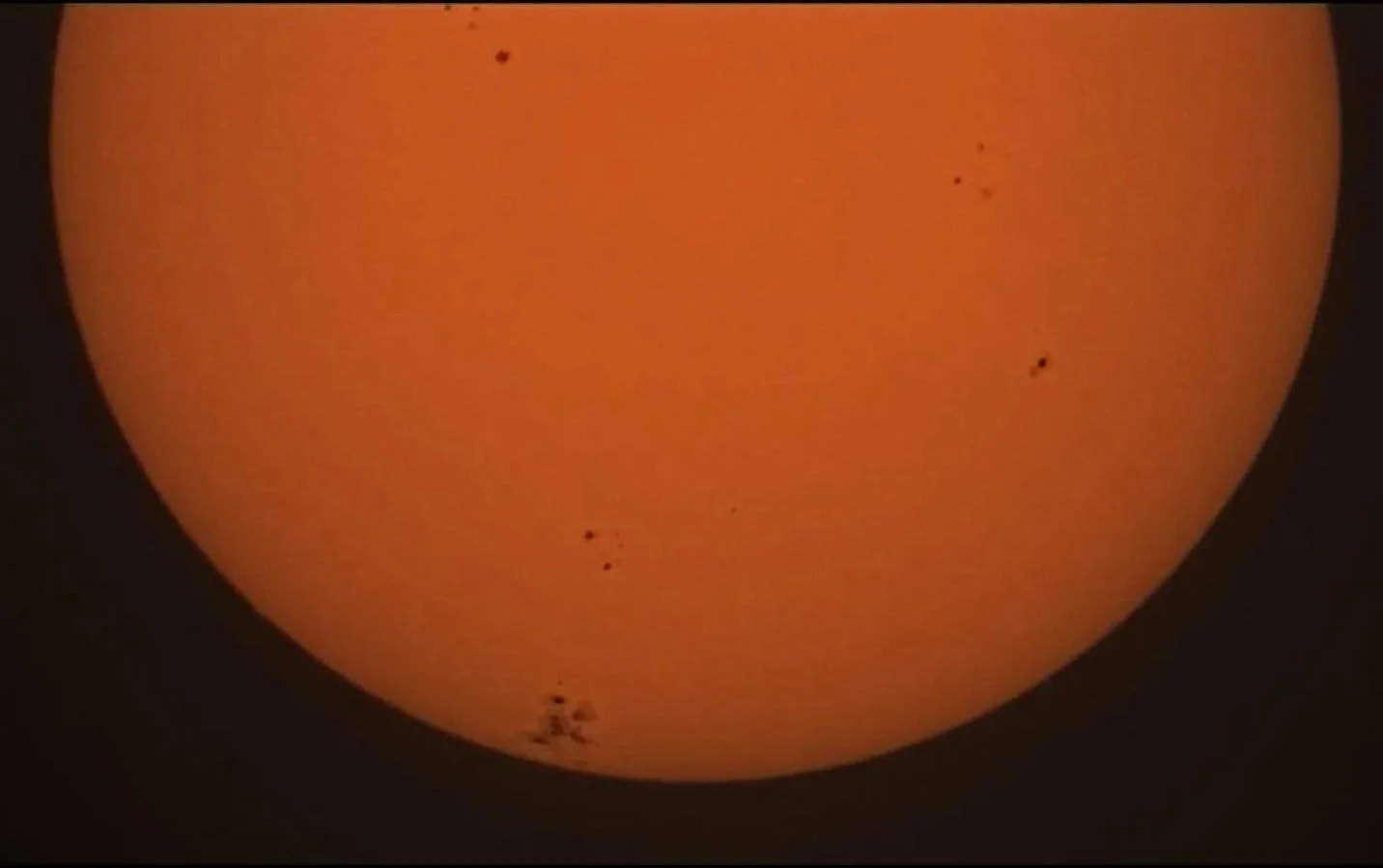
The Sun and several sunspot groups are photographed using a Seestar S50 smart telescope May 12, 2024.
Mario Villarreal | THE COSMIC CURRENT PHOTOS
The digital revolution has finally caught up with amateur astronomy. Over the past few years, a new type of telescope has emerged and quickly gained popularity: the smart telescope.
These instruments offer something which was once challenging even for intermediate astronomy enthusiasts, an easier entry into astrophotography.
Companies such as ZWO, with its Seestar line, and DwarfLab, with its DWARF smart telescopes, are among major players in this growing market. These highly portable instruments can connect to smartphones or tablets through dedicated apps, opening the door to lunar, solar and deep-sky astrophotography, as well as opportunities to capture objects such as comets.
Many smart telescopes are available for around $600, making them competitive with traditional deep-sky astrophotography setups, which can cost thousands of dollars once cameras, mounts, filters and other equipment are included. This price difference can make astrophotography much more accessible to hobbyists who want to capture impressive images without building an entire imaging rig.
Smart telescopes automate much of the process. Depending on the model, it can use GPS and computerized alignment systems to locate objects, capture images with built-in cameras and filters, and process images through accompanying apps.
For the owner, much of the work comes down to keeping the telescope charged, choosing a target and, when possible, finding darker skies. Some apps also allow users to save RAW image files, giving more experienced photographers greater control over post-processing.
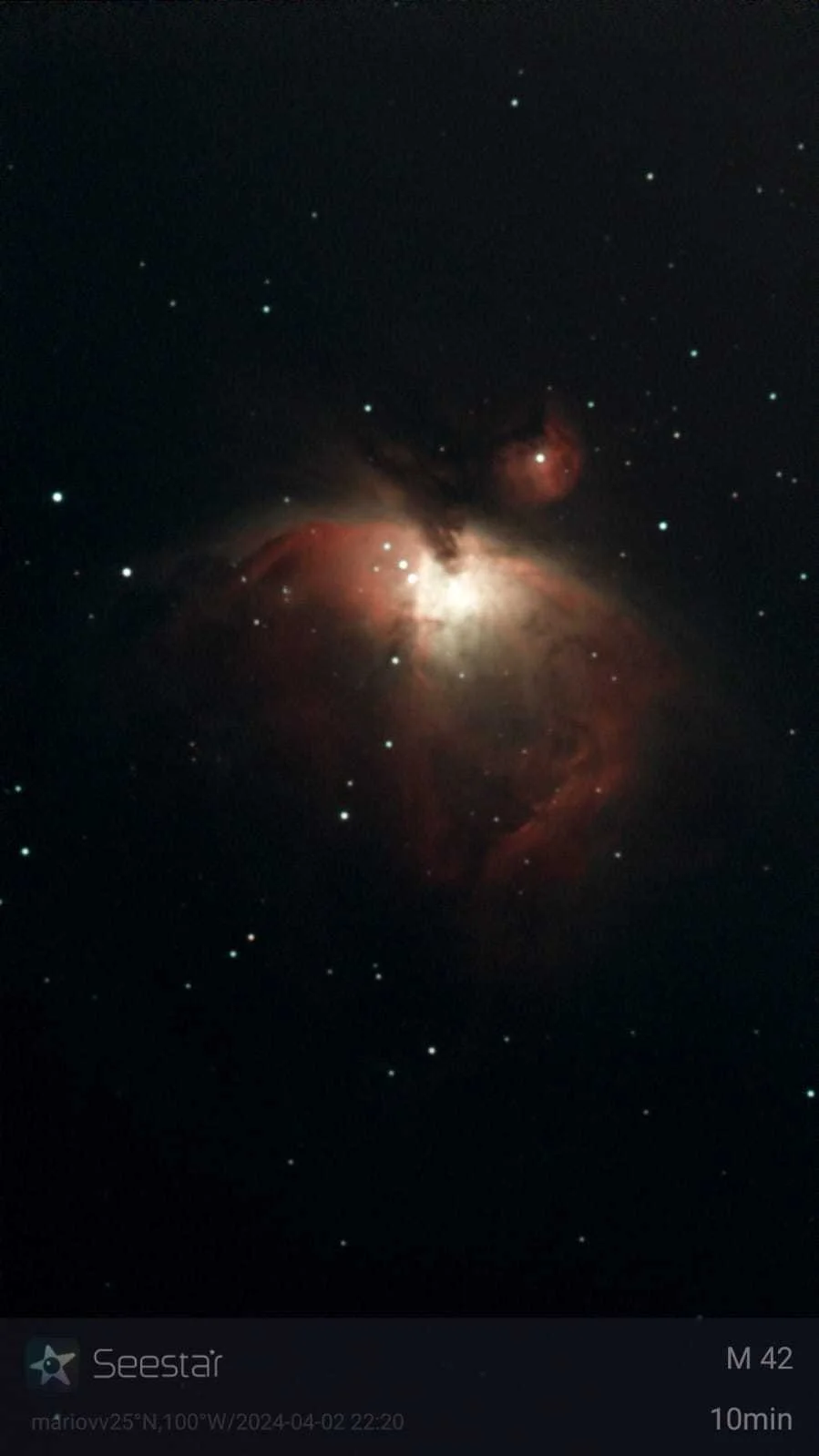
The Orion Nebula, also known as Messier 42, is photographed using a Seestar S50 smart telescope April 2, 2024.
Mario Villarreal | THE COSMIC CURRENT PHOTOS
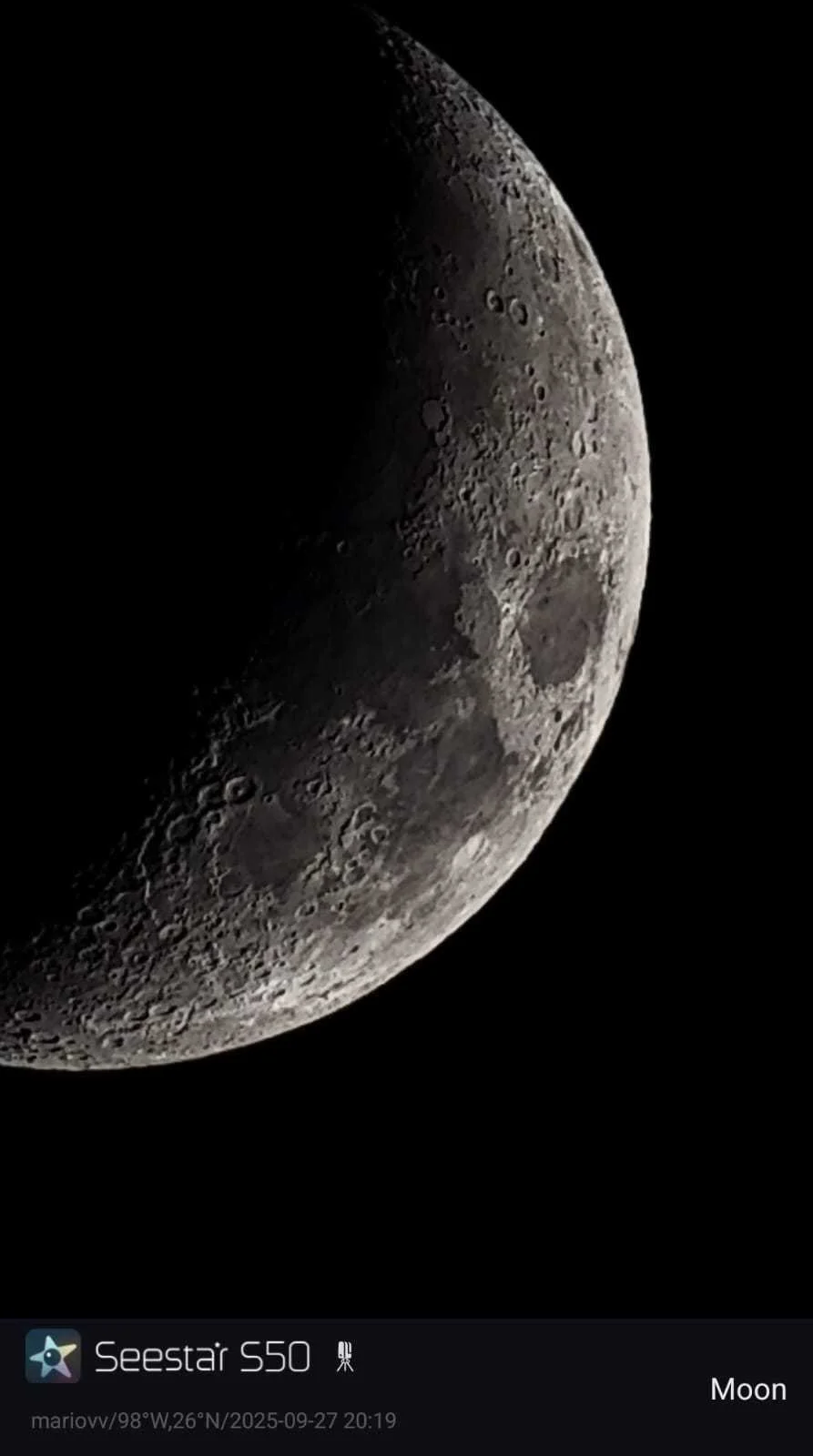
The Moon is photographed using a Seestar S50 smart telescope Sept. 27, 2025
Mario Villarreal | THE COSMIC CURRENT PHOTOS
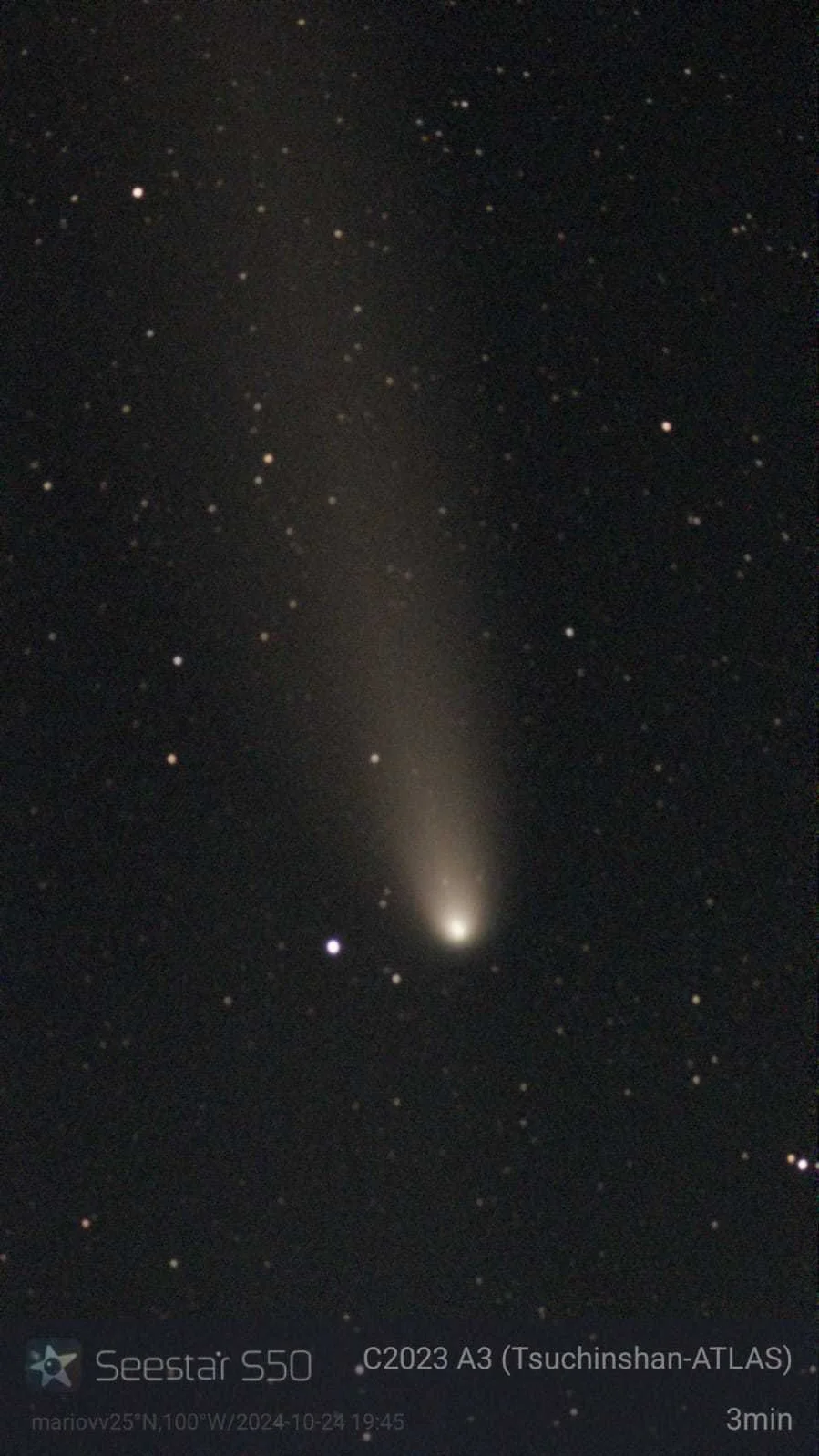
Comet C/2023 A3 (Tsuchinshan-ATLAS) is photographed using a Seestar S50 smart telescope Oct. 24, 2024.
Mario Villarreal | THE COSMIC CURRENT PHOTOS
Smart telescopes do come with trade-offs. Unlike a traditional optical telescope, users generally view their targets through a screen rather than looking directly through an eyepiece. Their integrated designs can also limit the ability to replace components such as the camera sensor. As newer models enter the market, older instruments may eventually begin to feel outdated.
Rather than viewing a smart telescope as a replacement for traditional equipment, it may be better to think of one as an addition to an astronomy setup. It is a versatile tool that can expand what an observer is able to capture and explore.
I personally own a Seestar S50, and despite having no previous experience with image processing, I have been able to capture images I am genuinely happy with.
For anyone considering a smart telescope, take time to compare models before buying. The market is developing quickly, with new instruments offering improved features and performance. Choosing the right telescope ultimately comes down to finding the model which best matches your interests, expectations and budget.
