
Image source: WQAD
Month of the Winter Solstice
Imagine what it is for those folks living in the far north where the sun is no longer visible above their horizon for months. Then feel smug that you live here where we enjoy radiant sunrises and exquisite sunsets with the Moon’s consistently-changing phases posing among the crepuscular rays cast across the sky as that Sun rises and sets along the horizon on a daily basis. What a blessing it is to be able to see the beauty our planetary system experiences, especially that ‘dauncerly light’ expressed by your favorite child.
As our planet rotates swiftly on its tilted axis, inexorably moving along its prescribed orbital plane, a bit off-kilter to provide us with our seasons, we are blissfully unaware of all the factors involved; but how we enjoy them is another matter. What is your favorite season? Your favorite constellation? Your favorite observing accomplishment? Your most memorable astronomy adventure? I am sure there are multiple thoughts spilling out among you.
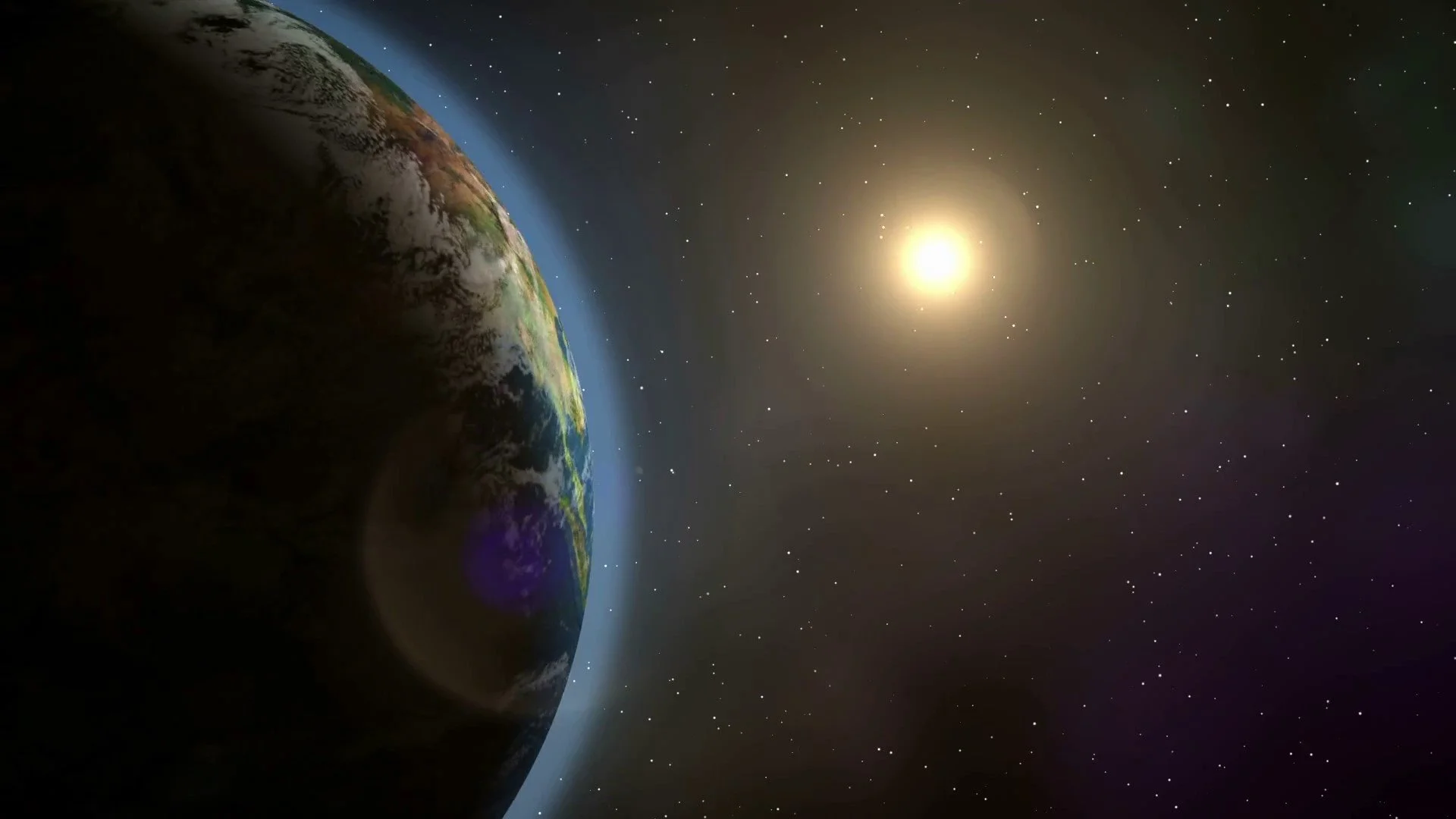
This week kicks out November and brings us into the month of the winter solstice. The holidays we observe all began in those ancient days before reading words, or even written words, and we still observe them through the astronomical events of those pre-history times when the shorter days had people wondering if the light would return at all. Now we just take it for granted they will do as they always have-and we are never disappointed.
If your daily drive to work etc. has you traveling east and west, then you have noticed the sun’s motion along the horizon, just as those ancient cultures who built incredible observing structures, marking that motion. On the winter solstice, December 21, the Sun will appear to stop and rise at the same location along the horizon (solstice) for a few days before slowly rising and setting, just a bit farther north of east as it rises, and a bit farther north of west as it sets, appearing a few minutes earlier at dawn and a few minutes later at sunset. What an incredible feat the ancients accomplished at the various sites, such as Canyon de Chelley out west, where they marked with their art to have shadows or bright sunlight mark the two solstices-before an alphabet.
As full darkness sets in, Saturn is in the far west-southwest, near the barely visible constellation Aquarius, just along the ecliptic. (the path the Sun, Moon, and planets travel) To the right is the window to the outer edge of our galaxy, Pegasus, the Winged Horse. Rising in the east is the winter favorite, Orion the Hunter with his twin hunting dogs, Canis Major and Canis Minor.
The stars of Orion are bright enough to see easily unless your neighborhood street lights block your sky view. Hopefully there is some nearby place to head out and look east and locate three stars of about the same brightness, Orion’s famous world wrestling champion belt, angled slightly between two sets of two stars on either side of the belt. There is one star that appears slightly red in Orion’s shoulder, the famous Betelgeuse. This star is the one astronomers are watching in hopes of seeing it go supernova. High hopes and great expectations for sure. Orion’s large dog (Momma dog) sports a more remarkable rabies tag than any dog on the planet, the scintillating star named Sirius. It is a seriously bright star, and all other star’s magnitudes are based on its brightness, which is classified as -1. When the night is chilly and the sky is clear, this white star shimmers all the colors in the spectrum of light; red, orange, yellow, green, blue, indigo, and violet. I do hope you are able to see it one night. The smaller dog follows along slightly above her; its stars resemble a hot dog, not a puppy.
Overhead from Orion, look for the delicate cluster of stars known as the Pleiades just above the long horns of Taurus. The glaring red bull’s eye will help guide you to the V of Taurus. The pentagon of Auriga the Charioteer is near the ecliptic as well.
Lastly, by midnight Jupiter will be well up in the eastern sky, with the four Galilean moons which will decorate the region of Gemini and Canis Major. There is lots to see when the night is dark and the sky is clear, so remember to KLU. And questions or comments are welcome via email: carolutsinger@att.net.
