
How to view the orionids
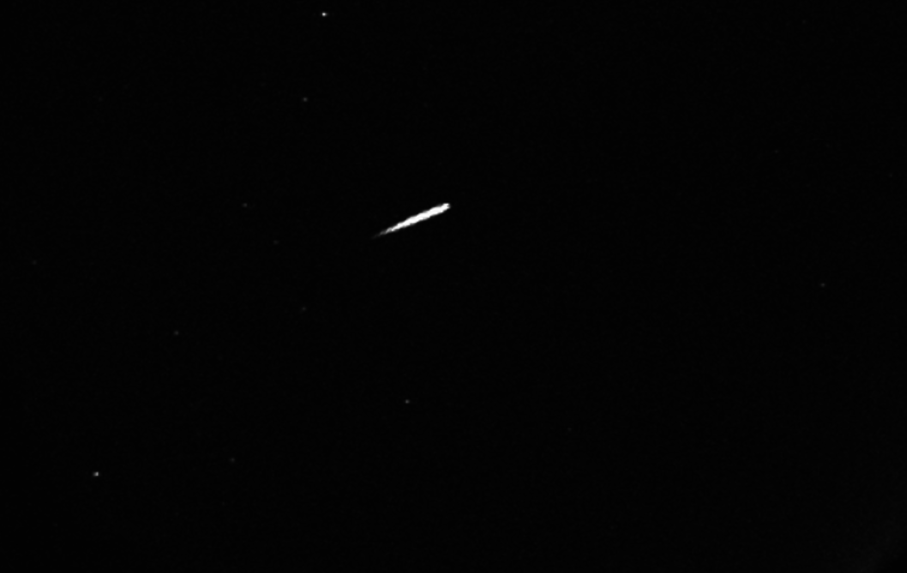
Image: NASA
The last quarter of 2025 is packed with meteor showers, beginning with the Orionids around the end of September. The Orionids are considered a medium-strength meteor shower, producing about 10 to 20 meteors per hour during their peak. Their name comes from the Orion constellation, and observers should look in that direction to maximize their chances of spotting meteors and, occasionally, bright fireballs.
The peak is expected to occur during the night of Monday, Oct. 21, into Tuesday morning. The Moon will cooperate with skywatchers because it will be in its New Moon phase, creating darker skies and improving the chances of seeing even smaller meteors.
If you want to experience the meteor shower, find a dark and comfortable spot away from city lights where you can lie down and observe the sky. Be patient and allow your eyes time to adjust to the darkness. With a little luck, you may catch a glimpse of comet debris burning through Earth’s atmosphere. It is also important to check the weather forecast for rain, clouds or temperature drops that could affect visibility and comfort during the event.
The meteors themselves are tiny particles, often no larger than dust motes or grains of sand, that burn up upon entering Earth’s atmosphere while traveling more than 25,000 miles per hour. Fortunately, there is no danger of these particles reaching the surface.
For more updates, follow us on social media, where we regularly post astronomy- and space-related content.