
Looking Up to the Moon
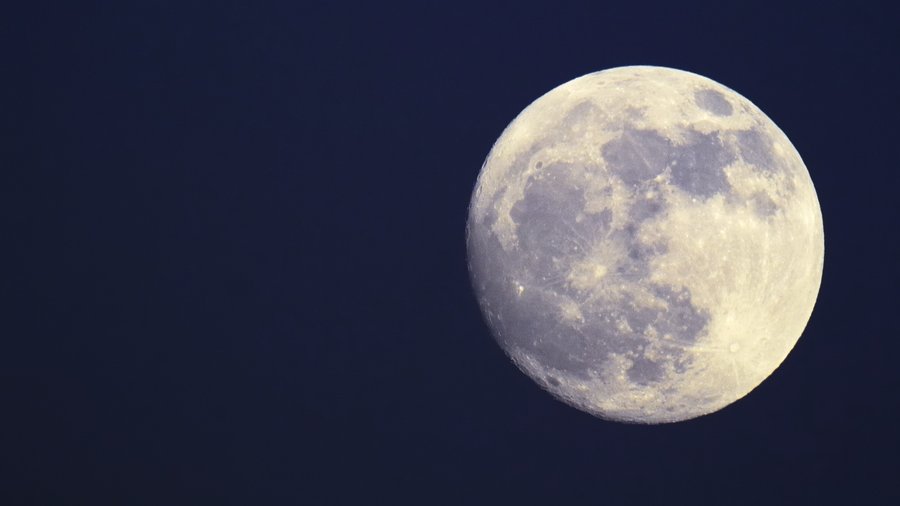
Image: Time and Date
The onset of autumn arrived without fanfare this past week on the 22nd. The early morning air even seemed a bit fresher a few moments this week, but that could be just in comparison to how hot the air feels at the end of the previous day. So many of the trees and shrubs seem to have baked to a crisp this summer due to the scorching sunlight. If you have been paying attention you have noticed the subtle change in shadows cast by trees and buildings, and the earlier sunsets and later sunrises. The constant gradual changes in the amount of sunlight on our planet is a fascinating thing to ponder when driving to and from your destination each day.
Several hundred people shared information and activities are the Observe the Moon night last weekend; if you were one of the folks who joined the luna-tics, thanks for helping everyone to have a great time. Small babies, energetic elementary students, informed middle schoolers, interested high school would-be engineers and rocketeers, and adults all found something of interest and a great deal of valuable information for those budding college bound students in particular. Photos of the event may be seen at the South Texas Astronomical Society’s social pages.
The Moon is Full this weekend, changing its dimensions daily to confuse that persistent Sol who wants to marry her. One of the stories shared during the Observe the Moon event was a tale from Mexico about La Luna who promises to marry El Sol IF he provides a skirt that fits her. Needless to say, he does not manage to meet the demand and La Luna remains single. Folk tales are a wonderful way to introduce literature to our children; who doesn’t love a good story?
Luna has been pummeled since the beginning of time by asteroids, meteorites, and perhaps even comets, and the lunar regolith is different from ours. It has been said to smell like spent gunpowder and have a consistency of flour. It has sharp edges that cut into the fabric of the suits worn by the dozen American astronauts as they roamed the lunar surface in the first explorations completed in the twentieth century. The planned NASA Artemis mission will benefit from those pioneers’ experiences and we will be waiting to learn more about our natural satellite.
It is annoying to many who hear the relentless refrain ‘they didn’t go’ when there are literally 842 pounds of lunar rocks comprising 2,200 samples in various laboratories on load from the Lunar and Planetary Institute from those lunar lander missions. Doubters and scoffers and outright deniers are an interesting bunch.
The Artemis mission to the Moon, have led to some information you may be interested to know. The Integrity mission was a testbed for technology that could aid cancer patients, serve remote medical clinics, and supercharge the internet. As a nation, we cannot ignore the fact that the nation that succeeds in space will have the edge over (literally) the rest of earth.
One of the items tested was organ-on-a-chip which tracked the health of each astronaut, before, during, and after the mission. Bone marrow organ chips enabled researchers to look at the effects of radiation and microgravity on the cells of each astronaut to understand how space travel itself impacted their physical well-being. Radiation is a major concern for space travel and we are learning that flight crews on regular airlines are negatively affected by long-term exposure to solar radiation. It is definitely something more than heat and light and sunburn.
Until next week, KLU.
