Losing the night
Light pollution is a problem, and not just for wildlife; it imprisons us from our connection to the cosmos.
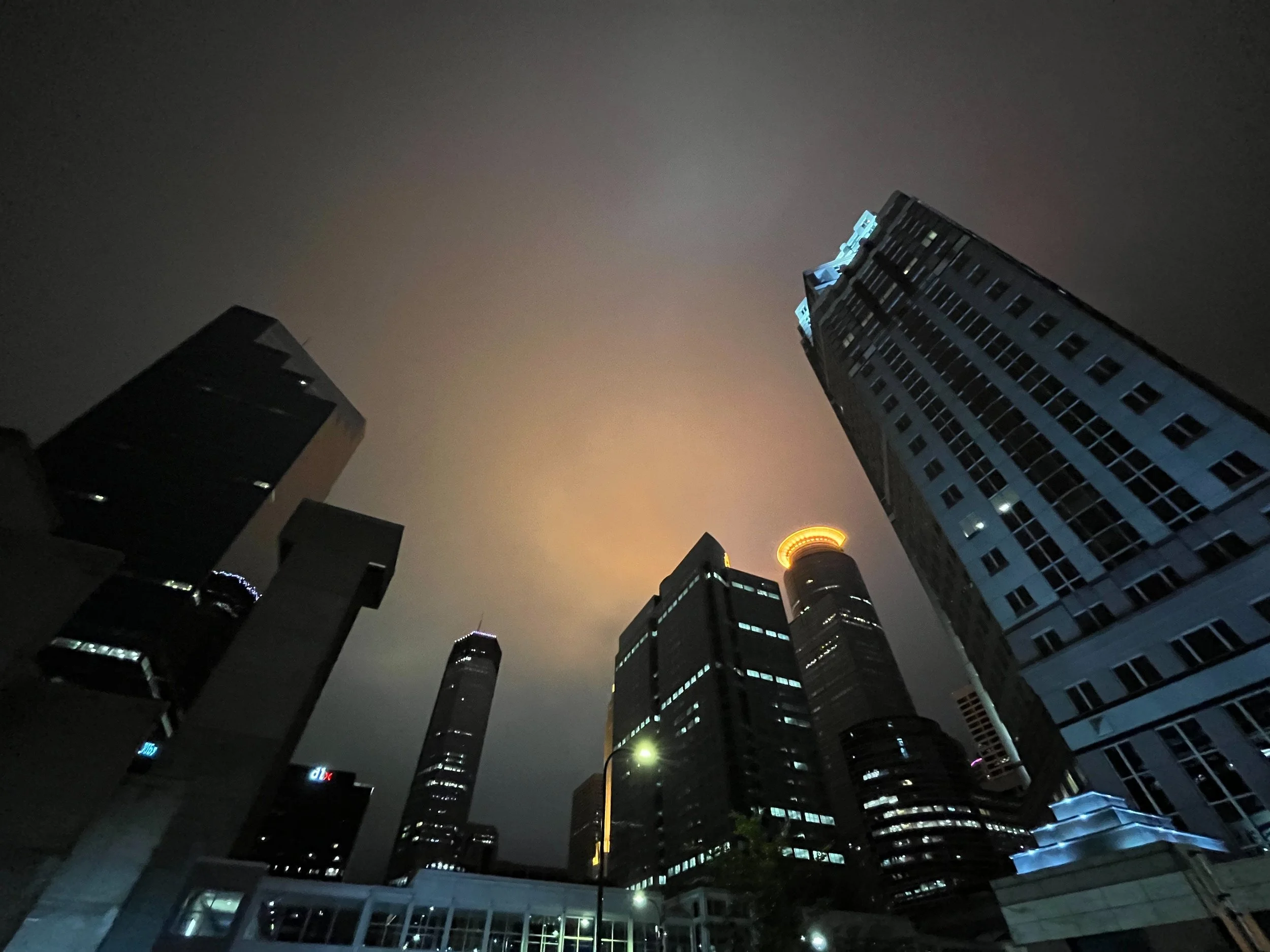
Artificial light from downtown Minneapolis, Minnesota, illuminates the low clouds above the city, creating a visible glow in the night sky. This skyglow is one of the most recognizable effects of light pollution.
PHOTO COURTESY ERIC KENNEDY
For eons, humanity has been inspired by the night sky. People created elaborate calendars and art, navigated the seas and even built the Great Pyramids. But today, more than a billion individuals can no longer see the night sky because of artificial light, further separating us off from the beauty of the cosmos.
The invention of electric light revolutionized society, but it came with an unintended consequence: light pollution.
Light pollution is unwanted or excessive artificial light that reaches places where it isn’t needed. In cities, this can produce skyglow, a dome of light at night created by artificial light from streetlights, outdoor advertising, office buildings and other sources.
That wasted light also means wasted energy. DarkSky International estimates at least $50 billion is spent globally each year producing light that escapes into space.
The Rio Grande Valley has several notable locations for stargazing, including the northern end of South Padre Island, Resaca de la Palma State Park in Brownsville, Hugh Ramsey Nature Park in Harlingen and La Sal del Rey near Edinburg.
With a population of over 2.5 million, including Matamoros and Reynosa, the RGV has the potential to become a major dark-sky region that benefits local residents while attracting thousands of stargazers annually. Preserving our night skies could add another dimension to the Valley's ecological identity while building on existing efforts to reduce light pollution in the region.
There is a growing list of places that have already taken action to create or preserve their night skies. Big Bend National Park in West Texas is known for its exceptionally dark skies, and DarkSky International recognizes dark-sky communities, parks, urban places and sanctuaries around the world. Sites are evaluated using criteria including based on management, location, public access, resources and night sky quality.
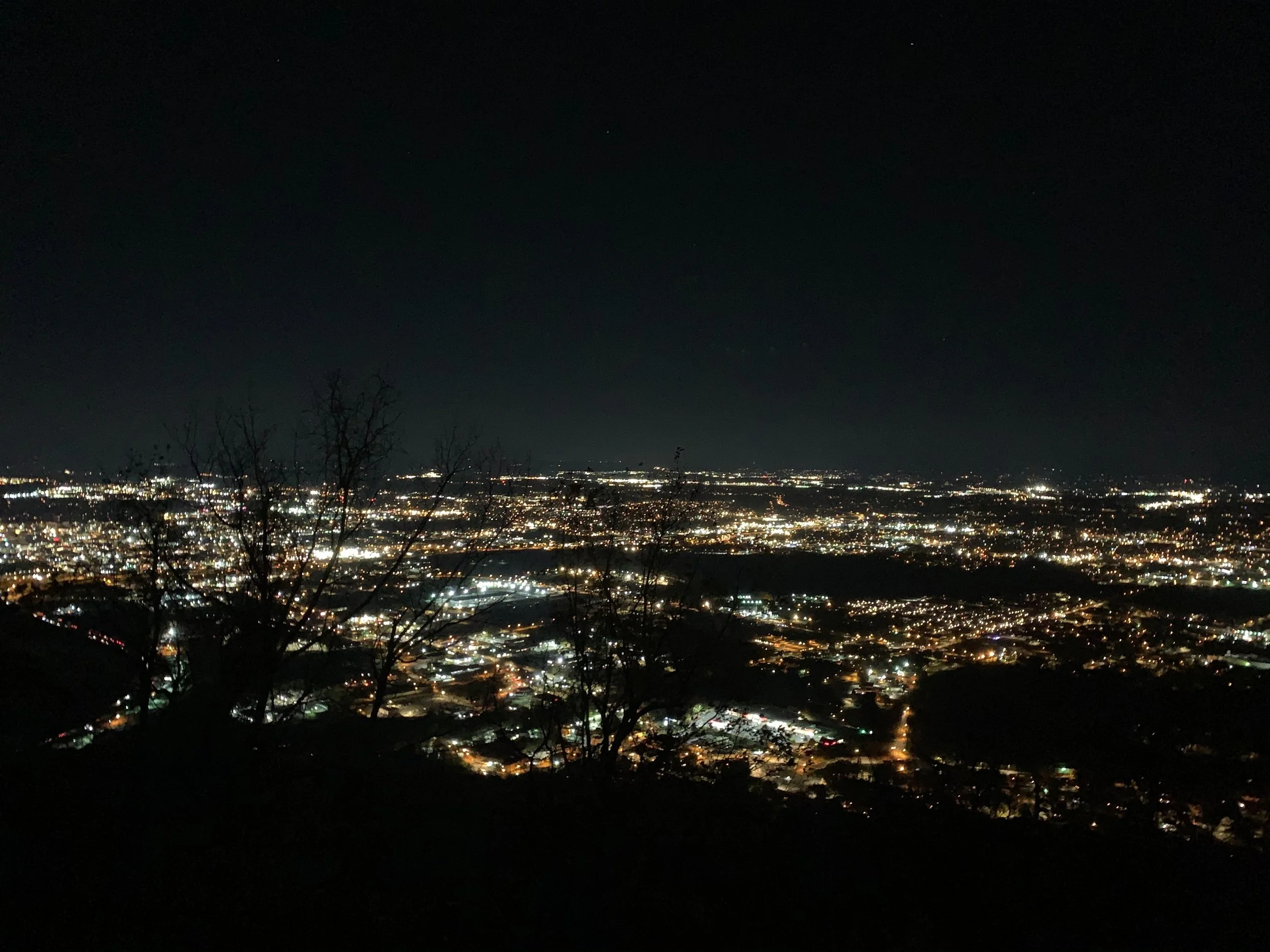
Artificial light illuminates Chattanooga, Tennessee, as seen from Lookout Mountain. The glow from cities and other developed areas can brighten the night sky and obscure stars from view.
PHOTO COURTESY ERIC KENNEDY
The RGV has long been a unique and valued ecological habitat — from sea turtles to migratory birds, butterflies and endangered mammal species like ocelots. Its proximity to the Gulf of Mexico and vast ranchlands has also provided areas relatively removed from the artificial light of major cities. But population growth and economic development have increased the amount of artificial light in the region.
That doesn't only affect our view of the stars.
According to the Sea Turtle Conservancy, light pollution has a major negative impact on sea turtles who, when hatched, can become disoriented and pass away due to artificial lighting.
Migrating birds face similar dangers. Audubon's Lights Out, Texas! campaign warns that excess artificial light can disorient birds and increase their risk of colliding with buildings.Fall migration in Texas begins Aug. 15 and continues through Nov. 30, according to Audubon Texas. The city of Brownsville is among the Texas municipalities that have participated in Lights Out, Texas!, encouraging residents and businesses to reduce unnecessary lighting during migration.
Humans aren’t immune to the effects of artificial light, either. According to Harvard Health, exposure to artificial light at night, particularly blue light from screens, can disrupt the body's circadian rhythm and suppress the production of melatonin, a hormone involved in regulating sleep. Researchers continue to study associations between nighttime light exposure and other health effects.
Our ancestors were fascinated by the night sky and its wonders; creating legends, art and even entire cultures. Just because societies have electrified and developed doesn’t mean we have to abandon that magnificent celestial canvas.
The sooner we act, the longer future generations may be able to look up and experience the same sense of wonder.