
In today’s school curriculum, why astronomy?
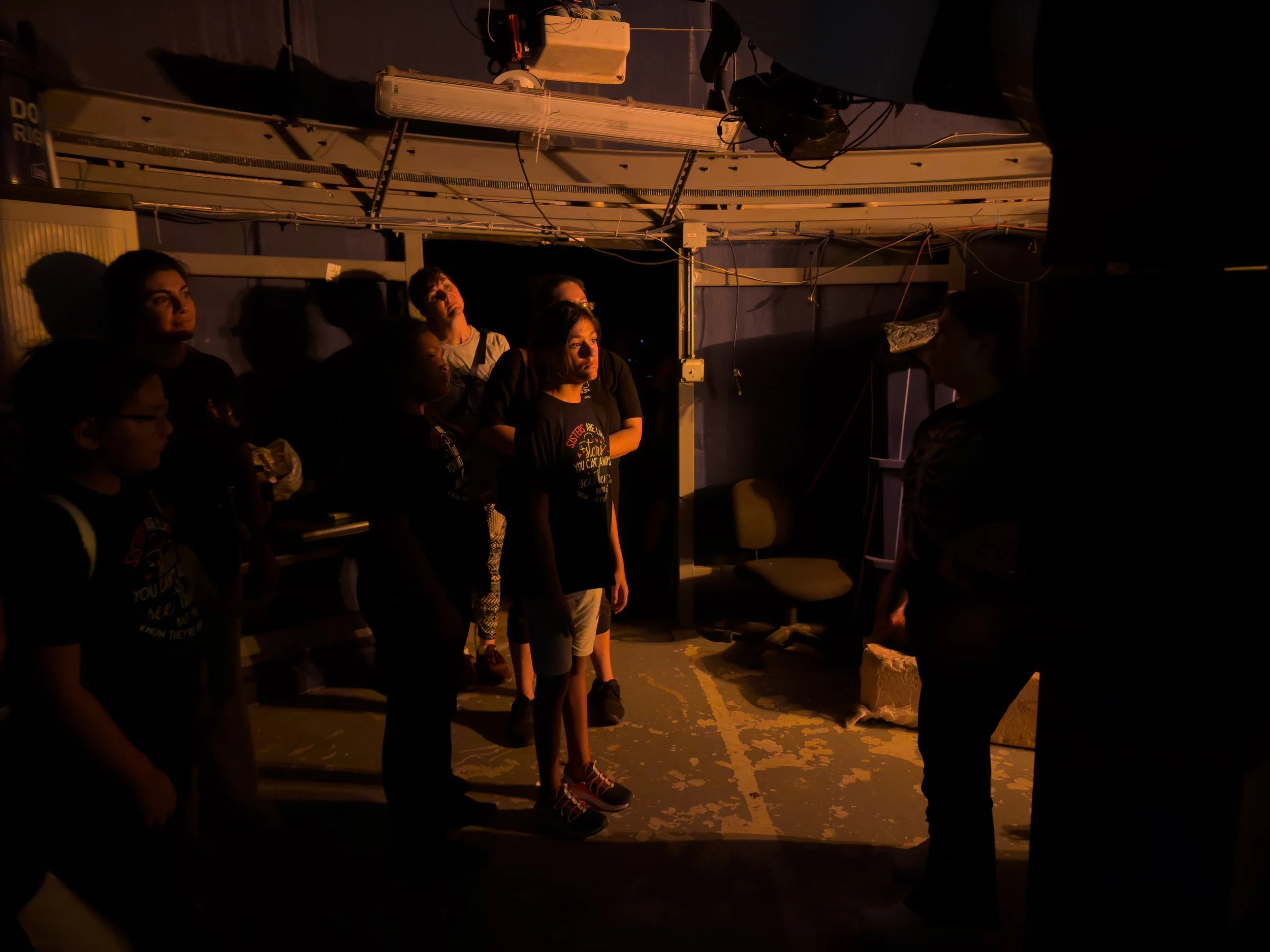
IMAGE COURTESY THE SOUTH TEXAS ASTRONOMICAL SOCIETY
One of the most obvious reasons to study astronomy in a school setting is that astronomy is the oldest science, so why not? When our ancient ancestors looked up thousands of years ago and painted what they saw on cliffs, inside caves and, later, on rock or log structures, or on the hides and fabric of their nomadic tents, leaving records of astronomical events, why not? When these early people constructed enormous circles of rocks and massive boulders, often at great expense of energy and human effort, why not? When many adults are unaware that the moon is visible during the day, why not?
The idea that we are part of the universe means we should have at least a basic understanding of where we are in that universe and how its pieces fit together. Besides, the first question most children ask is, “Why?”
Our local public school system has made portable planetariums available for student instruction since the 1990s through grants funded by taxpayer dollars, enthralling thousands of children. These transportable units were even shared with local libraries, and former students I taught invariably tell me that what they remember most from their school days were the programs involving those StarLabs.
The fact that our universe operates mathematically should make every math teacher happy to share some basic astronomy through geometry lessons. The reason we see phases of the moon is based on the geometric relationship between Earth, the moon and the sun.
Navigation and tidal motion, both important to shipping at the Port of Brownsville, are influenced by the relationship among Earth, the moon and the sun. And what fisherman or hunter does not take those same phases and factors into consideration?
Great literature, from ancient texts such as the Hebrew story of Job to manuscripts written by Arab, Babylonian, Oriental and Norse cultures, is filled with astronomical references. They told stories based on seasons, constellations, “guest stars” and those terrifying hairy stars we call comets — harbingers of doom or joy. Why not bring those cultural stories to life through science?
Even middle school students love a good story. Greek and Roman myths spread because those civilizations conquered much of the world they knew. But there are also wonderful, scary, gory and supernatural stories from Mexico, the Americas, the Orient and the Middle East. Together, they form an international treasure that attempts to explain what was once unexplainable.
Creative writing for fourth-grade students could begin with a visit to one of the portable planetariums purchased through grant funding, including grants supported by Elon Musk.
Whether you are a student, teacher or parent, ask about sharing the stars and putting stars in children's eyes again. Whether the sky is cloudy or clear, there is always something worth seeing. It needs to be experienced from a dark site on a starry night, with the thrill of watching Venus and Jupiter emerge from the darkness.
