Summer solstice times
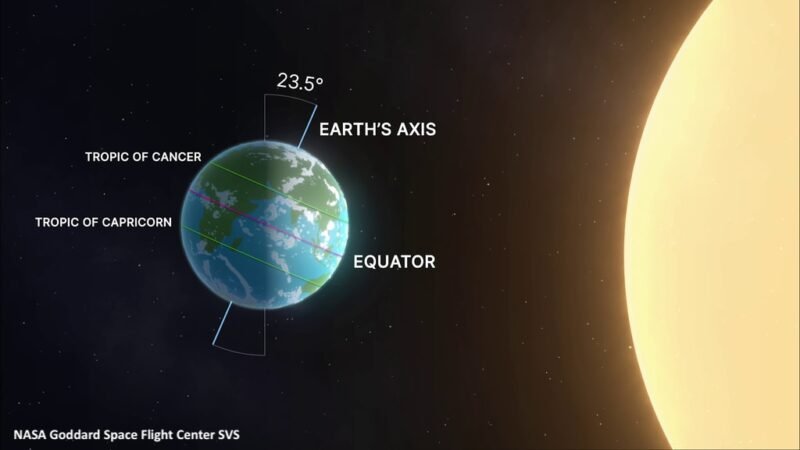
IMAGE COURTESY NASA GODDARD SCIENTIFIC VISUALIZATION STUDIO
The summer solstice begins June 21, 2026, marking the astronomical first day of summer in the northern hemisphere. The main question is: What is the summer solstice? Is it important? When did it start? And is it really the longest day of the year?
The summer solstice is connected to one of the oldest monuments made by humans, Stonehenge. While there is no specific record of when people first recognized the summer solstice, archaeologists and historians believe it has been observed for thousands of years, dating back to the Stone Age.
The summer solstice is historically significant because ancient cultures relied on it to support agriculture and survival. Ancient farmers depended on this day to help grow crops and determine how many supplies they would need for the upcoming winter. This is also important, because before clocks, calendars or apps existed to tell the time and weather forecast, ancient civilization had the sun and stars to tell them that information. They were humanity’s cosmic clock.
In the northern hemisphere, earth’s axis is tilted toward the sun during summer, creating longer days and shorter nights. As for the southern hemisphere, it is the opposite. Earth’s tilt is facing away from the sun, marking the beginning of winter instead.
Take a moment to go outside with your family and enjoy the extra hours of sunlight! For more thorough information about the summer solstice, visit
https://www.rmg.co.uk/stories/time/summer-solstice or https://griffithobservatory.lacity.gov/event/summer-solstice-2026-sunset/.